Preparing RDF
Upon arrival at the facility, waste is inspected by the waste acceptance unit; details regarding the generator, date of arrival, and waste code are recorded, and the waste is labeled. It is then transferred to storage areas based on risk and category. Samples taken by the laboratory unit are analyzed (for parameters such as calorific value, moisture, chlorine, and heavy metals), and the results are forwarded to the operations unit. The operations unit incorporates the waste into the blending (menu creation) process based on the waste's specifications. The waste included in the blend passes through two different crushers (primary and secondary). Finally, the produced Alternative Fuel (RDF) undergoes necessary measurements by the laboratory unit and is shipped in accordance with the acceptance standards of cement companies.
RDF Usage
At Beysu, we eliminate reliance on primary fossil fuels (such as coal and petcoke) through the high-quality RDF (Refuse-Derived Fuel) produced in our advanced technology facilities. We spearhead the circular economy and the green transition with our homogeneous, high-calorific alternative fuel solutions that are perfectly suited to the high-temperature capabilities of cement rotary kilns.

1. How Does It Reduce Carbon Gas (CO₂)?
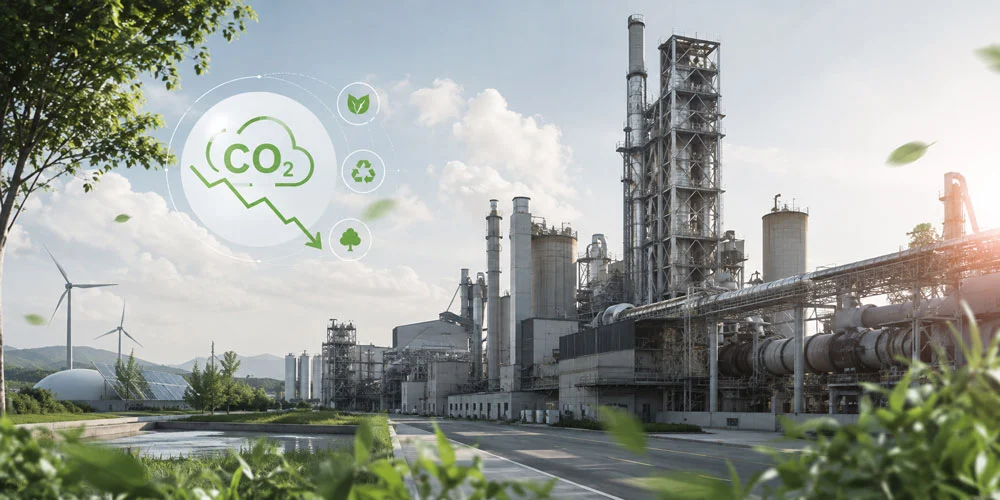
The use of alternative fuels in cement production is one of the most critical steps toward reducing the carbon footprint of manufacturing processes and achieving global "carbon-neutral" targets. Utilizing Refuse-Derived Fuel (RDF) as an alternative fuel in cement rotary kilns—and recovering the high energy content it contains—directly eliminates reliance on primary fossil fuels while enabling significantly lower emission levels. In the future, integrating this sustainable cycle with carbon capture and storage technologies holds the potential to transform cement production processes into operations that are entirely carbon-neutral or even carbon-negative. As the world transitions toward lower-carbon and sustainable energy sources, cement rotary kilns have proven to be the most viable and highly efficient setting for RDF utilization due to their high-temperature capabilities. In this context, we summarize the strategic impact of the high-quality RDF produced by Beysu on the future of the cement industry under four key headings:
Radical Drop in Carbon Footprint
Replacing traditional fossil fuels with Beysu RDF in cement kilns permanently reduces production-related CO₂ emissions. This transformation mitigates the cement industry's environmental impact while ensuring full compliance with Green Deal processes.
High Energy Efficiency and Cost Optimization
RDF offers cement producers a sustainable energy source that is both homogeneous and high-calorific. This enhances the thermal performance of kilns, thereby reducing energy consumption, lowering operational costs, and maximizing the overall sustainability of production.
A Global Solution for Integrated Waste Management
The integration of cement rotary kilns into the alternative fuel ecosystem creates a massive, sustainable market for large volumes of waste that would otherwise harm the environment by ending up in landfills or illegal dumpsites. By transforming this waste into value-added fuel, Beysu offers a direct solution to the waste management challenges faced by cities and the industrial sector.
Full Compliance with Global Regulations and Incentives
Governments and international authorities worldwide are implementing robust incentives—such as regulatory mandates and carbon tax exemptions—to encourage the use of alternative fuels, including RDF, in cement production. By producing RDF that fully complies with Turkish and European environmental standards, Beysu accelerates the cement industry's inevitable green transition and provides its business partners with complete assurance regarding the future regulatory landscape.
2. How Does It Reduce Greenhouse Gas (CH₄)?
- Methane Gas Prevention: Had the waste separated for RDF (Refuse-Derived Fuel) production not been incinerated at the plant, it would have been buried in sanitary landfills (dumpsites).
- Preventing a Potent Greenhouse Gas: Organic waste decomposing in landfills releases methane gas (CH₄), a greenhouse gas 25–28 times more potent than carbon dioxide. Converting waste into RDF and incinerating it fundamentally prevents the release of this potent greenhouse gas into the atmosphere.
While eliminating landfill-based greenhouse gas (methane) generation, RDF also significantly reduces the amount of fossil carbon (CO₂) emitted from stacks when burned in industrial settings as a substitute for coal.
Get a quote for this service
Contact us now for customized solutions.